Going to ¡La Yuma!
The Case for How Dutch Created Cuban Street Slang

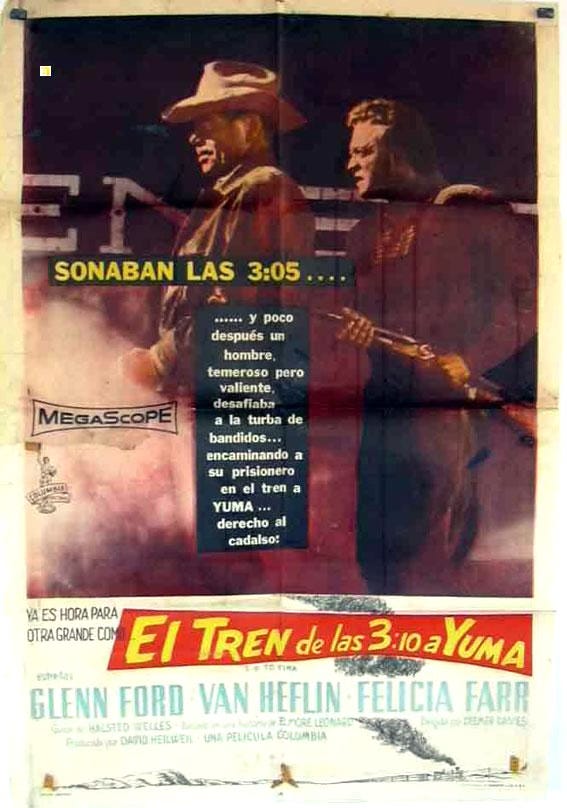
This post originally appeared on elmoreleonard.com in 2007.
Some time ago, author Tom Miller wrote Elmore to tell him of his discovery: the term Yuma had become a part of modern day Cuban slang as a result of Elmore’s short story, Three-Ten to Yuma. Tom wrote about this cultural transformation in Travelers’ Tales Cuba: True Stories:
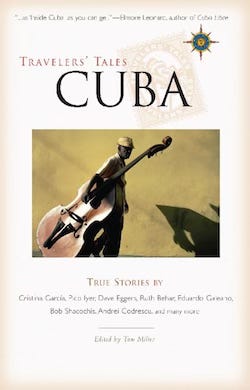
In Cuban street slang, yuma means a foreigner, more specifically, someone from a non-Spanish speaking European or North American country, and most particularly, from the United States. When someone asks my brother-in-law where his sister went, he might say, “Se fue pa’ la yuma.” She went to the United States. Or an American tourist strolling down Havana’s Prado might hear, “¡Oye, yuma! ¡Ven acá!” Hey ‘merican, com’ere! Yuma is a word unknown in Mexico or any other Spanish-speaking country that I know of.
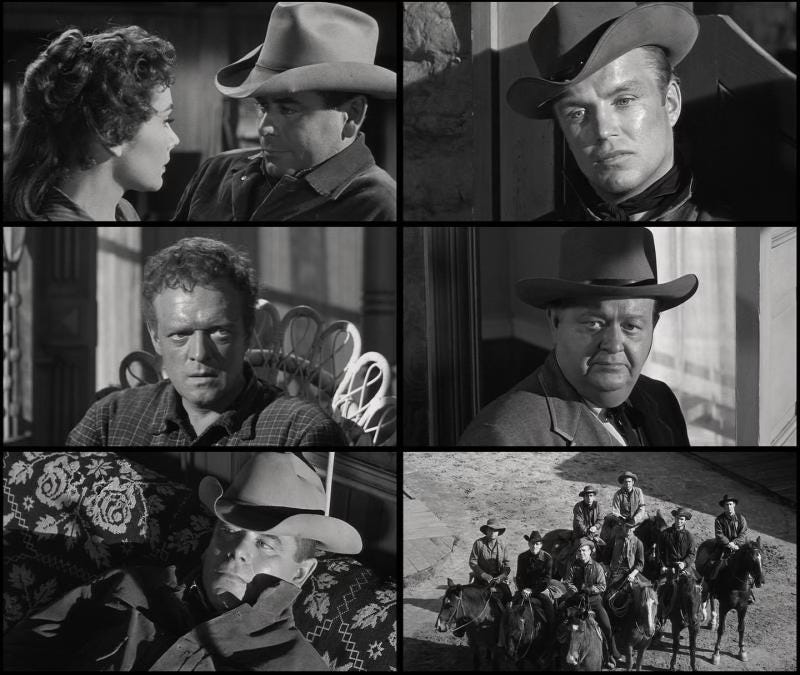
Cubans have always liked our Westerns going back deep into the Batista years, including the Glenn Ford classic, 3:10 to Yuma. The movie, popular in theaters and on Cuban television, was quintessentially American. Based on a 1953 Elmore Leonard short story, it portrayed the nuance of cowboy honor and obligation. In the quirky way that one language absorbs the sounds and images of another, Cuba, which has embraced so many American totems, has taken Yuma if not to its heart, at least to its tongue. The Cuban street-slang yuma derives directly from the film 3:10 to Yuma.

Elmore paid homage to this slang use of La Yuma in Road Dogs. where Cundo Rey uses it often. Elmore even made it into a drink!
How he went to prison in Cuba for shooting a Russian guy. Took his suitcase and sold his clothes, his shoes, all of it way too big for him. Came here during the time of the boatlift from Mariel, twenty- seven years ago, man, when Fidel opened the prisons and sent all the bad dudes to La Yuma—what he called the United States—for their acation
“I’m grateful for the ways they are to improve myself since I come to La Yuma. I respect how justice wears a blindfold, like a fucking hostage.”
“He would get upset,” Jimmy said, “and lose his temper—this was during the time of the drug business—and would let me use my way to soothe him and he would become calm. At Combinado del Este and when we first came to La Yuma, he would let me soothe his nerves.”
“Sleeping off lunch. He had a few La Yumas, what he calls straight rum over ice.”
The Case for Yuma’s Origins: Why the Film Theory Holds
This addendum expands the evidence behind the “Yuma” origin story—bringing together linguistic usage, cultural context, and Havana’s extraordinary moviegoing environment to show why the film connection is the strongest and most credible explanation.
1. Multiple Cuban linguistic sources now confirm the widespread usage.
Modern Cuban slang dictionaries and language blogs consistently define “yuma” as a foreigner—especially an American. Examples like “Se fue pa’ la Yuma” and “¡Oye, yuma!” match exactly what Tom Miller described.
2. The connection to 3:10 to Yuma is now cited in public reference sources.
The Wikipedia page for the 1957 film explicitly states that the movie contributed to “Yuma” entering Cuban slang. This supports Miller’s account and lines up with how Cuban pop culture absorbed American Westerns at the time.
3. Linguists acknowledge additional contributing factors.
Some Cuban etymologists suggest that Cuban pronunciation of “United States” (“yunai”) may have blended phonetically with the place-name “Yuma,” with the movie reinforcing it. This does not contradict the cinema origin—it adds another layer typical of how slang forms.
4. Migration and exile vocabulary expanded the meaning.
During the Mariel era and beyond, “going to La Yuma” became shorthand for emigrating to the U.S., shifting the word from meaning a person (foreigner/American) to meaning the place (the United States). This expansion is consistent with the examples quoted from Road Dogs.
5. The cinematic origin remains the culturally dominant explanation.
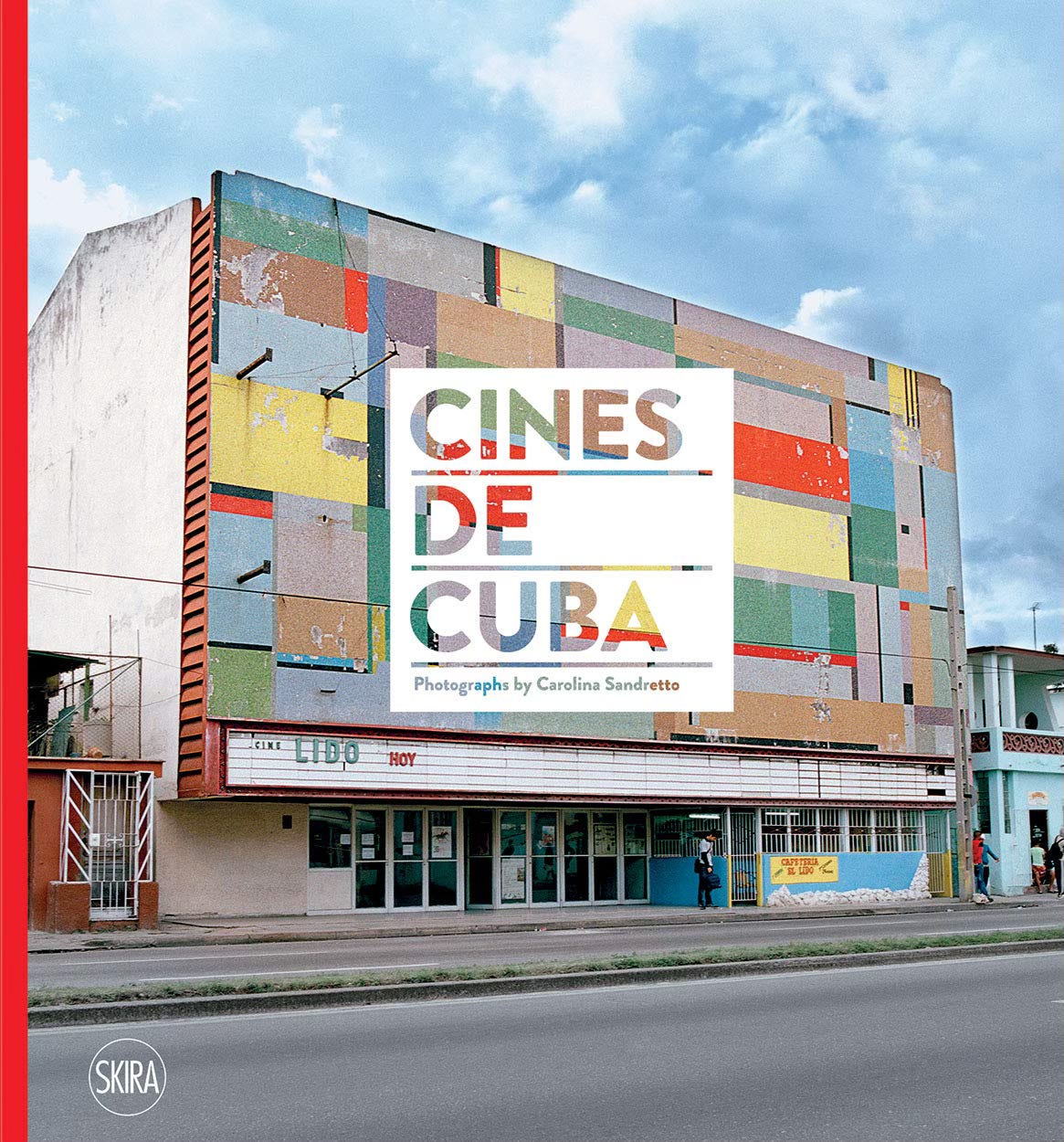
Despite variations in scholarly theories, Cubans themselves most often attribute the term to the movie. This becomes even more convincing when you consider how enormous and pervasive the cinema culture was in Havana during the 1940s and 1950s. Havana had more than 130 movie theaters—some counts say 147—more than New York or Paris at the time. Hollywood studios like MGM, 20th Century Fox, and Columbia directly funded or supplied many of these cinemas, meaning American westerns saturated the city. Films played not only in grand first-run palaces but also in second-run houses and neighborhood theaters that showed westerns constantly. After the Revolution, Cuban state television continued broadcasting classic Hollywood films, including westerns, to millions of homes. In a culture so overwhelmingly exposed to cowboy films and American titles, it is no surprise that 3:10 to Yuma left a linguistic mark and that “Yuma” became embedded in Cuban slang.
6. Leonard’s use of the term in Road Dogs is now cited by others.
Spanish-language slang blogs and fan discussions now reference Dutch’s “La Yuma” passages as evidence of the term’s authenticity and as an example of Dutch reflecting real Cuban usage.